Why Winter is Ideal for Visiting Egypt
Winter is considered the best month to travel to Egypt, particularly from October to April, due to the comfortable climate and numerous advantages it offers to travelers. During these months, the typically harsh temperatures of Egypt are significantly moderated, providing an ideal atmosphere for outdoor exploration and sightseeing. Unlike the extreme heat of summer in Egypt, where temperatures can soar, winter temperatures average between 15°C to 25°C (59°F to 77°F), making it suitable for engaging in various activities.
Moreover, reduced humidity levels during the winter months contribute to the overall pleasant experience for visitors. The lack of oppressive heat means that individuals can comfortably partake in historical tours, visit renowned archaeological sites, and explore cities like Cairo and Luxor without the discomfort that often accompanies the summer season. Factors such as the best month to travel to Egypt align perfectly with this seasonal window, as they allow for more extensive exploration without compromising the quality of the experience.
Another advantage of traveling to Egypt in winter is the potential for more manageable prices in Egypt in winter compared to the high season. Although winter may be considered peak travel months, many hotels and tour operators often offer discounts or packages, ensuring that visitors can obtain the best possible value while enjoying the unique experiences Egypt has to offer. In contrast, booking during the summer season may result in fewer options and higher costs.
In essence, the winter months present an optimal time for travel, allowing visitors to appreciate the historical richness and mystical allure of Egypt in more favorable weather conditions, without the seasonal limitations found in the peak summer months.
Key Destinations to Explore in Winter
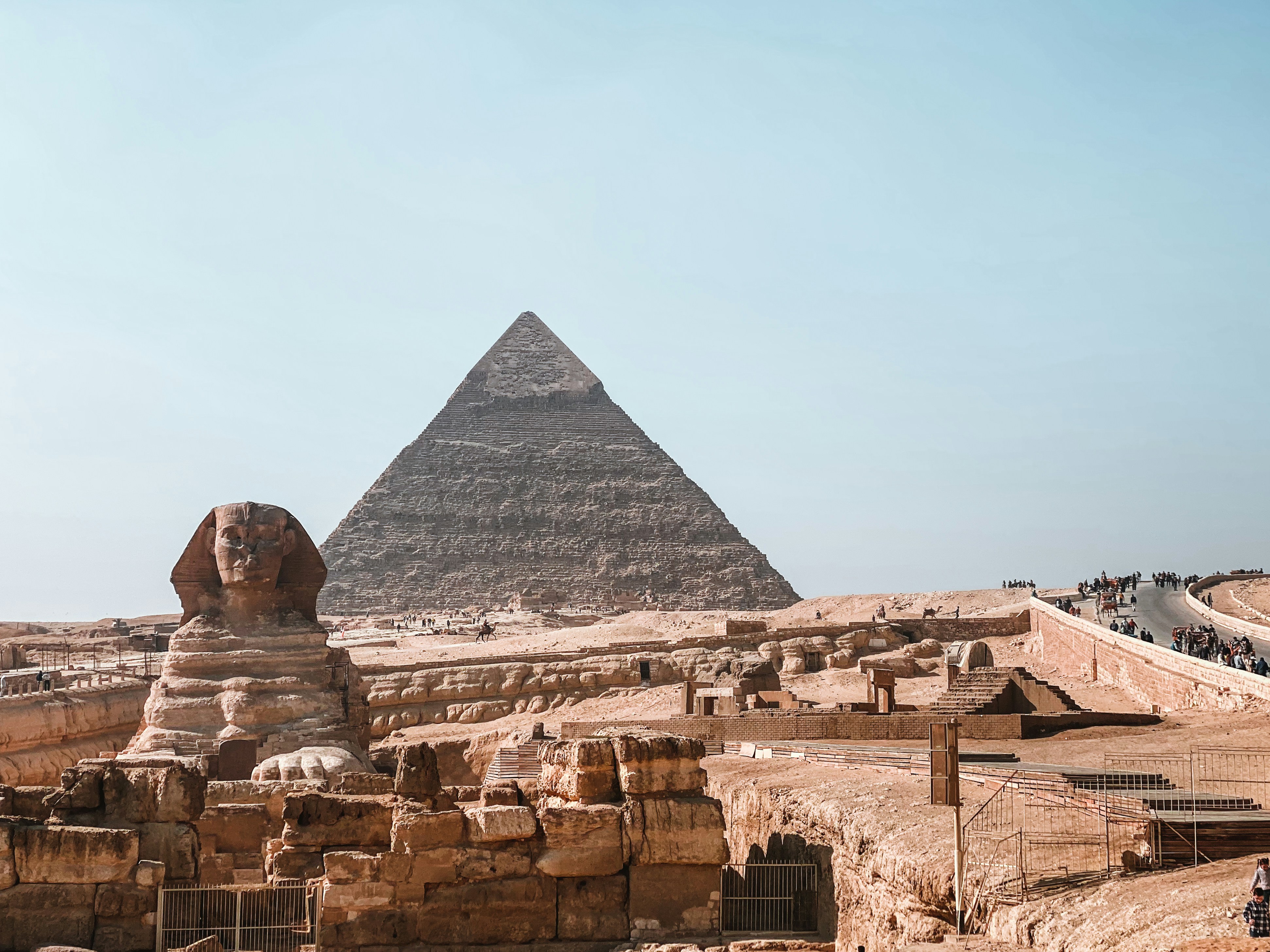
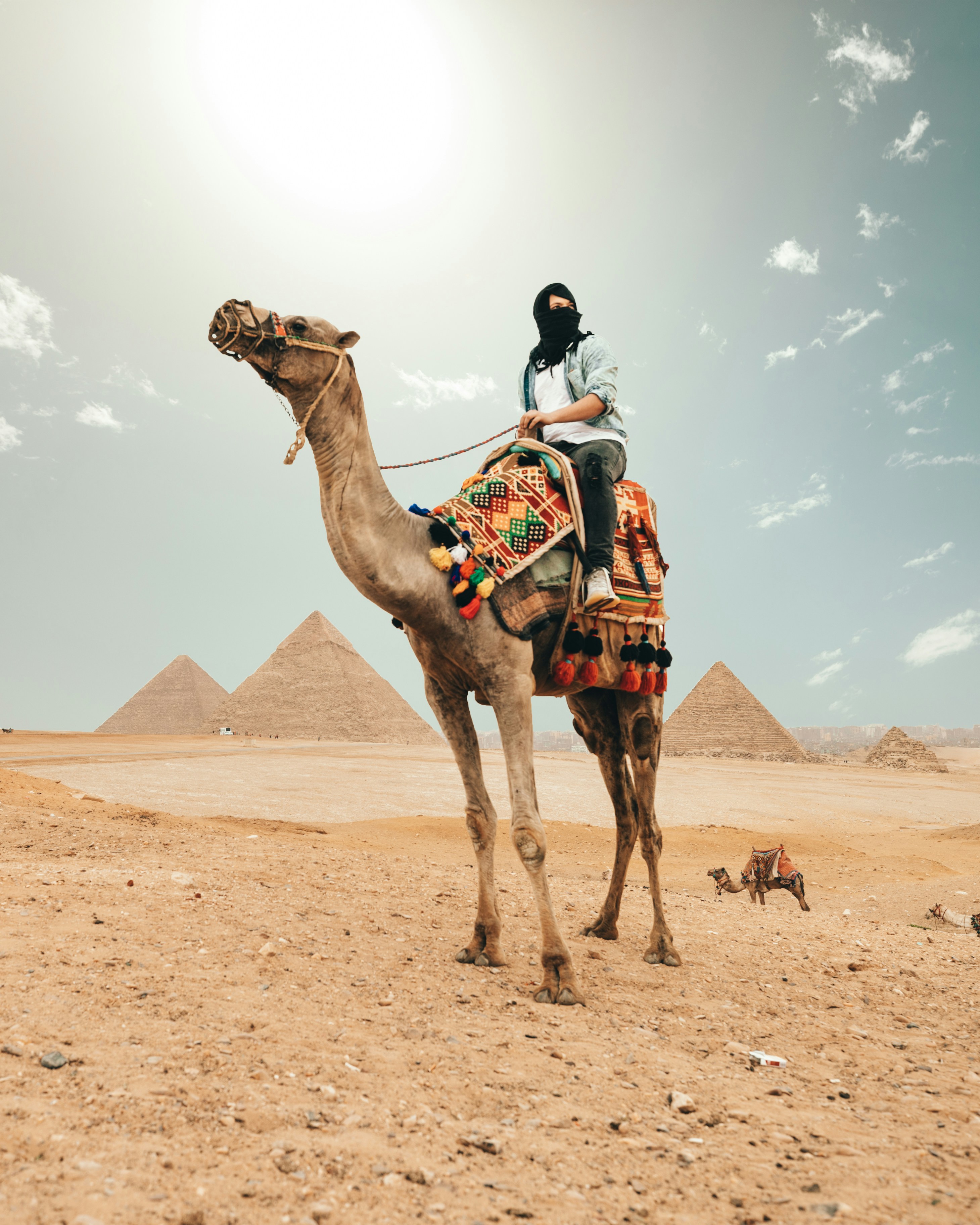
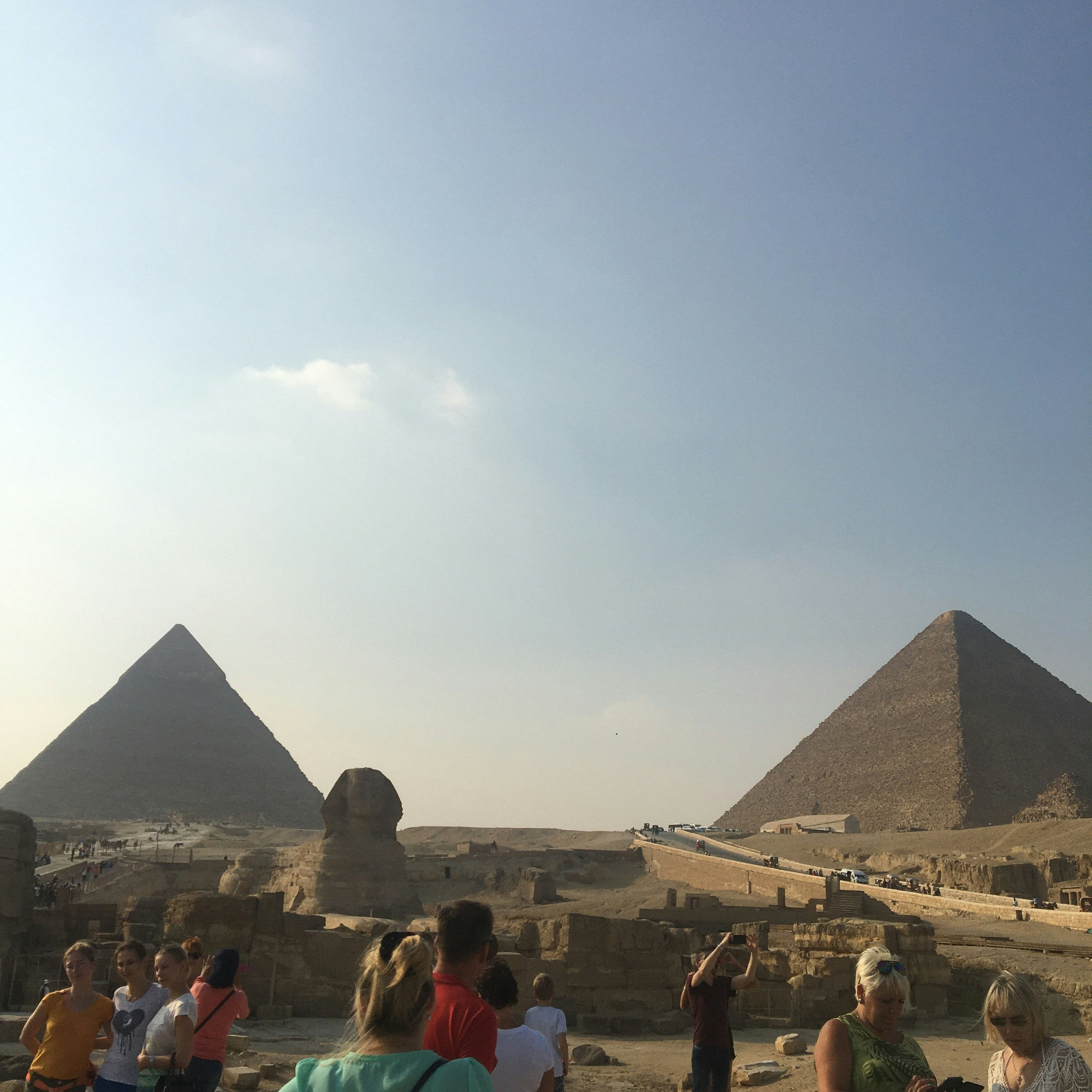
Traveling during the best month to travel to Egypt typically spans from October to April, a period marked by a mild climate and numerous cultural offerings. One of the most iconic destinations to explore during winter is the Pyramids of Giza. The cooler temperatures make visiting this ancient wonder far more enjoyable, allowing travelers to fully immerse themselves in the historical significance of the site without the sweltering heat of summer in Egypt. The Great Sphinx and nearby temples are also less crowded during this season, enhancing the excursion experience.
Another must-visit location is Luxor, often referred to as the world’s greatest open-air museum. The Valley of the Kings, where many pharaohs were buried, is particularly enticing in winter. With the pleasant weather conditions, visitors can delve into the history and artistry of ancient tombs that might otherwise be uncomfortable to explore in the summer months. Additionally, the Karnak Temple complex, with its massive columns and grand structures, offers an unforgettable glimpse into Egypt’s majestic past.
The winter months also provide an excellent opportunity to visit the stunning beaches of the Red Sea. Notably, resorts in Dahab and Sharm El Sheikh thrive during this time, offering various water sports and relaxation. The temperate waters are perfect for snorkeling and diving, revealing a vibrant underwater ecosystem best explored in winter. This period coincides with various cultural festivals celebrating local traditions, contributing to a rich travel experience.
Overall, experiencing Egypt in winter not only reveals its iconic landmarks but also introduces visitors to local cultural events and festivals, making it a prime time to enjoy what Egypt has to offer.
Travel Tips for Winter Visits
Traveling to Egypt in winter has its unique advantages and challenges. To ensure a rewarding experience, it is essential to prepare adequately for the conditions and specific aspects of this travel period. First and foremost, travelers should consider packing appropriate clothing. Given Egypt’s desert climate, winter temperatures can vary significantly between day and night. Days may be pleasantly warm, but evenings and early mornings can be quite chilly. Packing layers, including a warm jacket and comfortable attire suitable for both hot and cool weather, is advisable for visitors looking to enjoy their experience.
When planning activities in Egypt, the best times to explore sights are during the early morning or late afternoon. The sun can be intense even in winter, and these cooler periods are preferable for visiting attractions like the Great Pyramids or Luxor’s ancient temples. These timings not only enhance comfort but also provide an opportunity to avoid the crowds often present at popular sites.
Regarding accommodation, it is prudent to book hotels or other lodging well in advance. Since winter is considered the high season for tourism in Egypt, securing reservations early can help travelers find better rates and options. Moreover, travelers should take into account the prices in Egypt in winter, as they may vary across different regions and facilities.
Lastly, safety considerations are paramount while waiting to explore Egypt’s treasures. As in any travel destination, staying alert and being aware of one’s surroundings can enhance safety. Particularly during quieter outings, it is advisable to remain in larger groups or use organized tours for visits to remote areas. Winter in Egypt presents travelers with a unique opportunity to enjoy the country more peacefully, allowing for deeper exploration and appreciation of its historical wonders.
Cultural Experiences and Activities in Winter
Traveling to Egypt during the winter months offers travelers an array of unique cultural experiences and activities that are not as readily available during the hotter summer in Egypt. From local cuisine to traditional festivities, this season invites an immersive exploration of Egypt’s rich cultural heritage.
The milder weather of winter, particularly from October to April, allows visitors to comfortably engage in outdoor activities such as hiking in the Sinai Mountains or visiting archaeological sites. The pleasant temperatures create ideal conditions for exploring the vast deserts and ancient ruins without the extreme heat that characterizes the summer season. Many tour operators specialize in winter excursions that highlight the breathtaking landscapes and historic locations, making it the best month to travel to Egypt for such experiences.
Culinary experiences also abound during this season. Egyptian winter cuisine features hearty dishes, including Koshari and Mulukhiyah, often served at local markets and festive gatherings. This is also the time to indulge in seasonal delicacies such as roasted chestnuts and fresh pomegranate juice, which can be enjoyed while strolling through Egypt’s vibrant streets.
Additionally, the cultural calendar is filled with traditional winter festivities. Celebrations such as Coptic Christmas in January and local folk festivals provide insight into the rich tapestry of Egyptian traditions. Visitors can partake in these events, which often include music, dance, and art, further enriching their travel experience.
In conclusion, winter in Egypt is characterized by pleasant weather that encourages both outdoor adventures and deep cultural immersion, making it a highly recommended period for those looking to explore the diverse offerings of this historic country. The favorable prices in Egypt in winter also make it a cost-effective choice, enhancing the overall appeal of visiting during this season.